In recent years, “Low Carbon Concrete” and “Embodied Carbon” have become key concepts in the construction industry. Project owners and large organizations are increasingly focusing on reducing greenhouse gas emissions from the very beginning of the material supply chain, rather than only during the building’s operational phase.
One of the technologies that enables real carbon reduction directly within the production process is CarbonCure Technology. At Inno Precast, this technology has been integrated into our manufacturing system across all products to support more sustainable construction, while still maintaining the high quality standards required for precast construction projects.
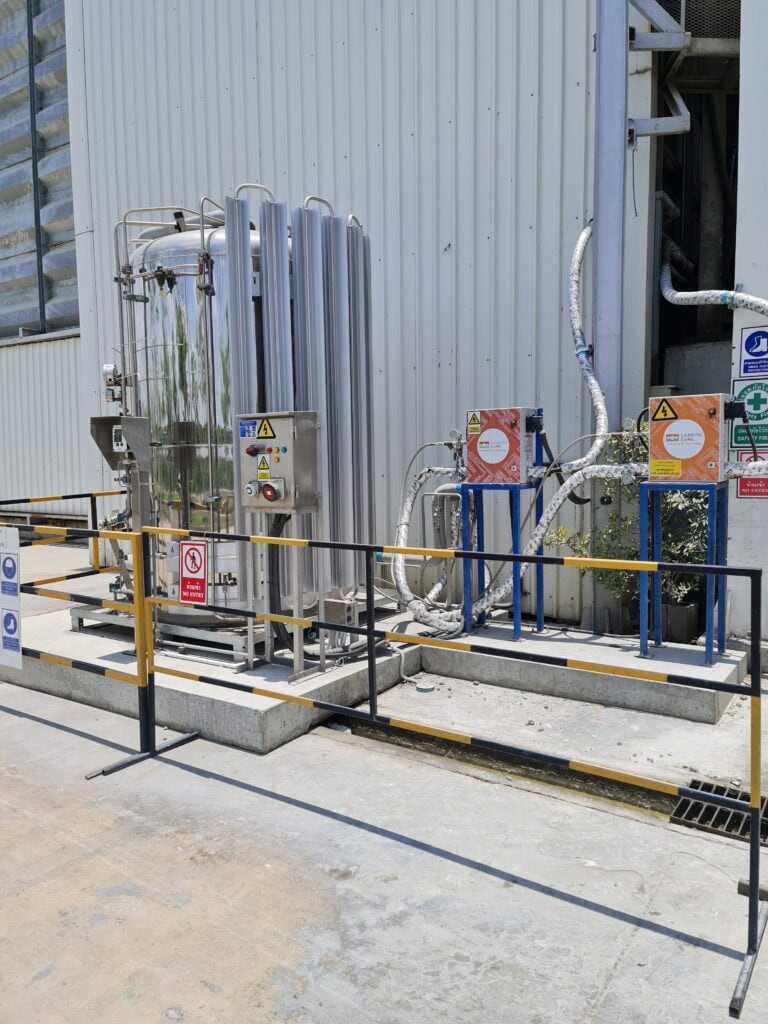
What is CarbonCure? (CarbonCure Technology Explained)
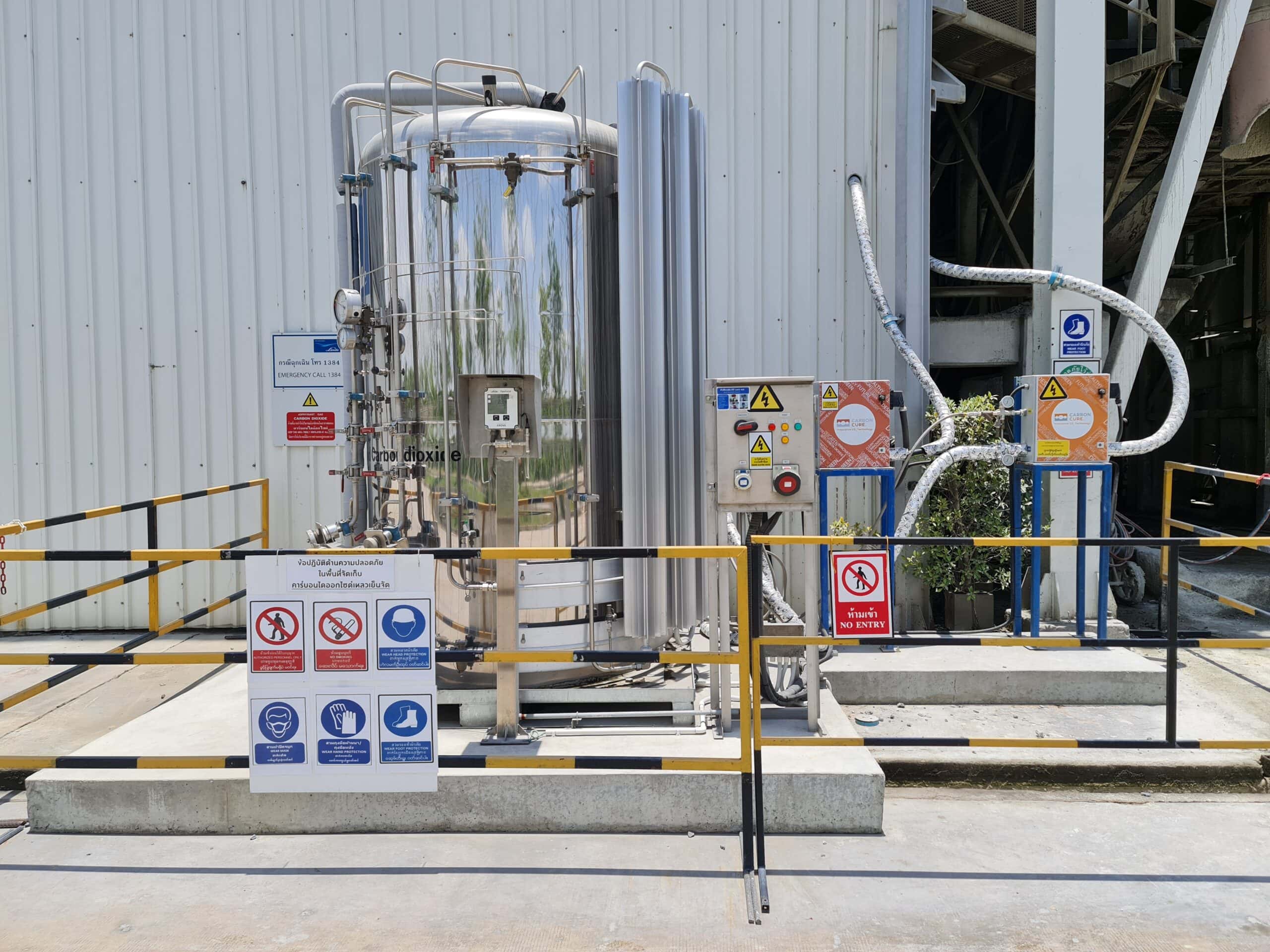
CarbonCure Technology is a technology that injects quality-controlled carbon dioxide (CO₂) into concrete during the mixing process at the appropriate amount and timing. This allows the CO₂ to chemically react and convert into stable carbonate minerals within the concrete. This process is known as Carbon Mineralization (mineralization).
What is Carbon Mineralization?
Carbon Mineralization is a process in which carbon dioxide (CO₂) reacts with minerals to form stable carbonate solids, permanently storing the carbon in a solid form.
To explain it simply:
Instead of CO₂ escaping into the atmosphere, this technology captures the CO₂ and transforms it into part of the internal structure of concrete. This helps ensure that carbon is systematically managed and permanently stored during the concrete production process.
How Does CarbonCure Help Reduce Embodied Carbon? (Without Using Numbers)
Reducing the Embodied Carbon of concrete typically focuses on lowering the use of cement, since cement production is a major source of CO₂ emissions. However, CarbonCure Technologies supports carbon reduction through two tangible approaches:
1) Carbon Storage in the Concrete (CO₂ Utilization)
The CO₂ injected into the concrete is converted into stable carbonate minerals, allowing the carbon to be permanently stored within the material. As a result, carbon management occurs within the material itself, rather than relying only on carbon offsets after production.
2) Improved Microstructural Efficiency
The formation of fine carbonate minerals within the cement paste can influence the concrete’s microstructure, creating a tendency toward a denser and more refined internal structure. When applied under proper process control and optimized mix designs, this can support broader efforts to develop low-carbon concrete.
Note: Performance outcomes depend on the mix design, materials used, and the production controls at the concrete plant.
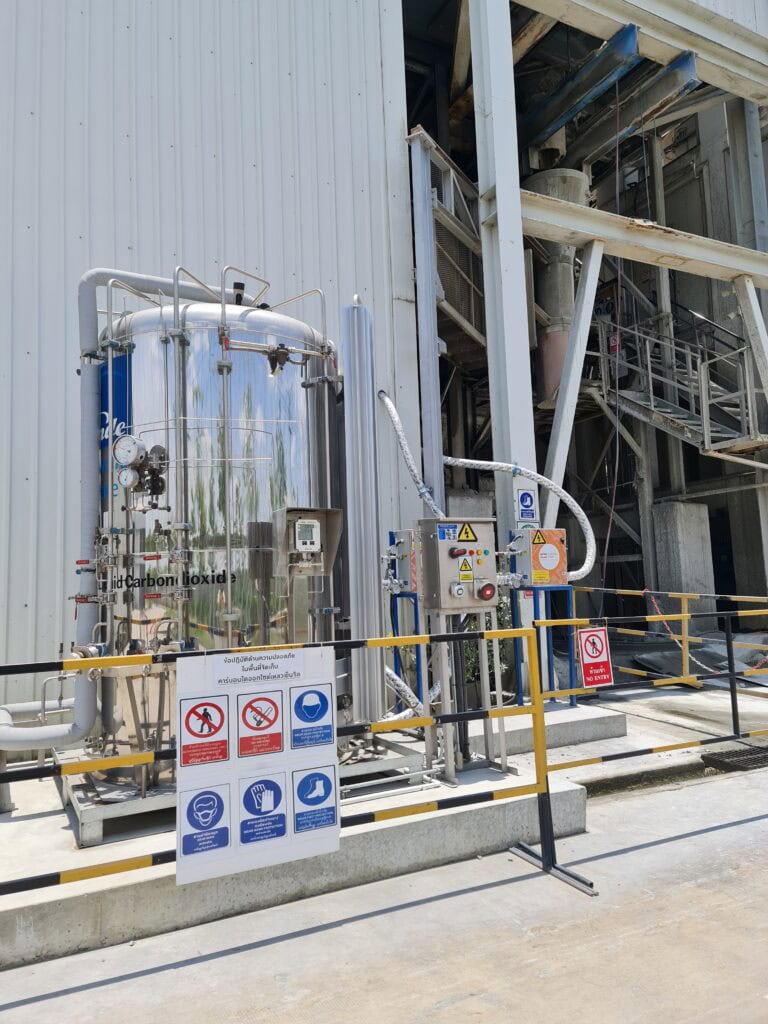
Why Is CarbonCure Suitable for Precast Concrete (Low-Carbon Precast
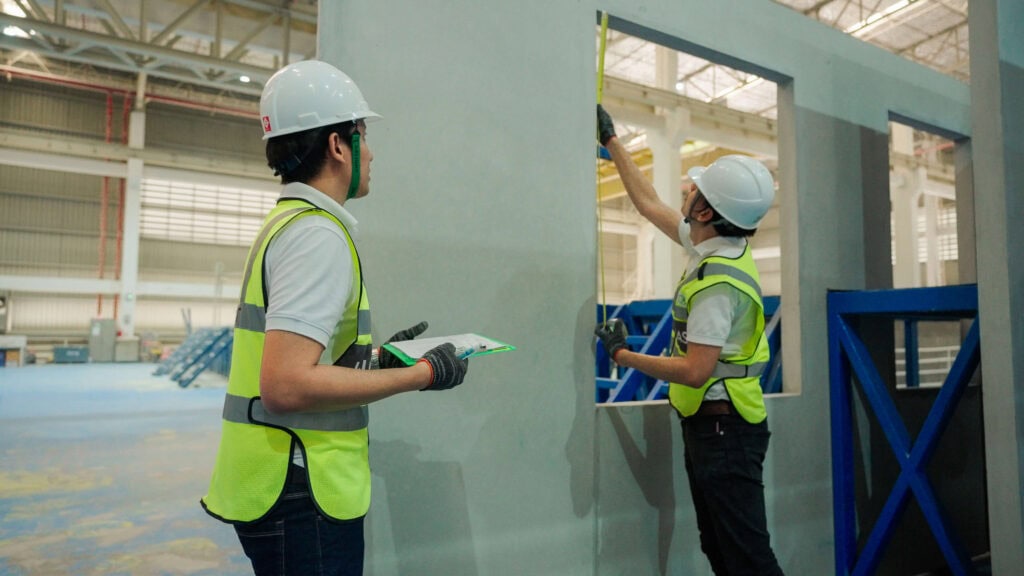
Precast concrete has a major advantage: a highly controlled production system. From raw materials and mixing to casting and curing, every step can be carefully managed. This controlled environment allows technologies that require precision—such as CarbonCure Technologies—to operate more effectively.
Key Reasons Precast Has an Advantage
- High Process Control Precast plants can precisely control the timing and conditions of CO₂ injection during mixing, which is important for processes like Carbon Mineralization.
- High Consistency Factory-based production enables large volumes of concrete to be produced with consistent quality and performance, ensuring that the benefits of the technology remain stable across batches.
- Scalable Implementation Because precast production operates within a factory system, improvements to the process can be applied across multiple products more easily, supporting the wider development of low-carbon precast concrete solutions.
Direct Benefits for Production
Although CarbonCure Technologies is well known for its role in carbon reduction, from a factory perspective the technology can also help improve the overall quality management system in concrete production.
Strengthening the Quality Control System
Using a technology that requires properly controlled CO₂ injection encourages a more systematic production control process. This includes better standards for mixing operations, monitoring consistency, and verifying the performance and results of the finished products.
Supporting the Development of Low-Carbon Concrete CarbonCure can work alongside other low-carbon strategies in concrete production. For example, it can complement the use of Supplementary Cementitious Materials (SCMs) such as fly ash, as well as optimized mix design approaches that aim to balance performance and sustainability.
Indirect Benefits for Projects
An increasingly important benefit for many projects is transparency and the ability to communicate sustainability in a verifiable way.
1) Clearer Sustainability Communication
When manufacturers adopt technologies that enable real carbon reduction during the production process—such as CarbonCure Technologies—projects can communicate their environmental approach with greater credibility and clarity.
2) Alignment with Green Construction Trends
Technologies that reduce Embodied Carbon support the broader movement toward green building and environmentally responsible procurement. These approaches are increasingly becoming a key direction in the construction market as demand for sustainable development continues to grow.
3) Simplifying Material Selection for Projects
At Inno Precast, CarbonCure technology is applied across all products. This allows clients to adopt a low-carbon approach without having to select only specific items. Instead, they can consistently use precast concrete throughout the entire project under the same sustainability framework.
We believe that sustainability should not be a niche option, but a new standard in manufacturing. By integrating CarbonCure into all products, the low-carbon approach can be implemented on a broader scale while maintaining consistent industrial-level quality.
Low-Carbon Precast That Starts from the Production Process
CarbonCure Technologies provides a practical approach to making carbon reduction happen directly in the factory. By managing CO₂ during the mixing process and enabling mineral formation at the concrete’s microstructural level, the technology supports the development of low-carbon precast and sustainable concrete—an important direction in an era where projects demand quality, transparency, and sustainability.
At Inno Precast, CarbonCure technology is applied to all of our products to elevate the standard of precast concrete while supporting more sustainable construction in a tangible way.
If your project is looking for precast concrete solutions that deliver both high performance and a low-carbon / Embodied Carbon reduction approach, the Inno Precast team is ready to provide guidance on selecting the right products and applications to best suit your project.